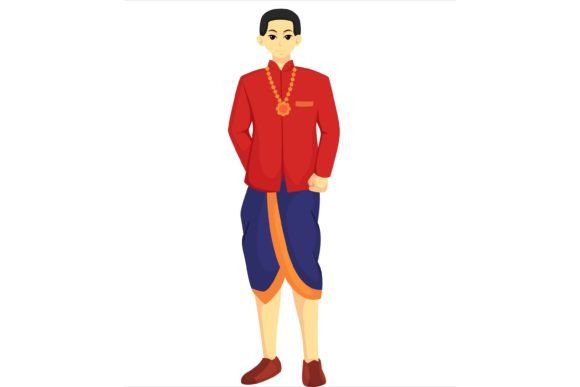
Groom Wedding Character Illustration: A Designer's Essential Asset
More Than Just a Drawing: The Personality of This Vector Character
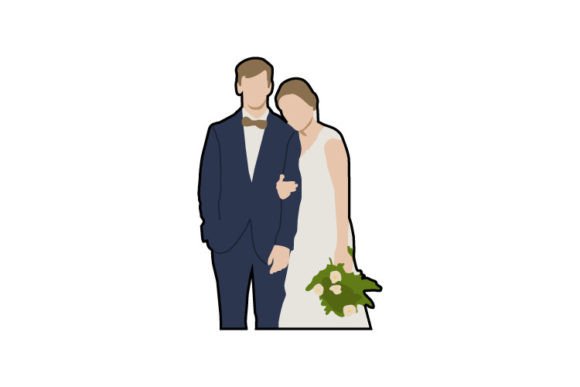
When you first encounter the Groom Wedding Character Illustration, it’s easy to see it as just another graphic. But as a designer or creative professional, you quickly recognize its potential. This isn't a static, one-dimensional image. It's a 100% vector asset built with personality and flexibility at its core. The character typically embodies a blend of classic elegance and modern charm—think confident posture, a well-fitted suit, and expressive features that convey joy and anticipation. The style often leans towards a clean, contemporary illustration with well-organized shapes, making it feel both professional and approachable. This combination of visual appeal and editable structure is what transforms it from a simple clipart into a foundational design asset.
The real power lies in its editable nature. Being a vector file in Adobe Illustrator means every single element is a separate, modifiable object. You aren't stuck with the default colors or proportions. Want to change the suit from classic black to a deep navy for a destination wedding theme? Done. Need to adjust the hairstyle to better match a client's branding? You can. This level of control is what separates a premium font or graphic from a standard stock image. It allows the illustration to become a true extension of your brand identity, not just a placeholder.
Where This Character Truly Shines: Practical Applications
Understanding the asset's personality helps you deploy it effectively. The Groom Wedding Character Design Illustration is a versatile tool, but its sweet spot is anywhere that requires a touch of personalized celebration and professional polish.
- Digital & Social Media: This is prime territory. Use the character for engaging social media graphics for wedding planners, event venues, or suit retailers. It can become the friendly face of a "Groom's Guide" blog series or a series of Instagram stories. Its vector nature ensures it looks crisp on any screen, from a mobile feed to a desktop banner.
- Print & Packaging: For editorial design, imagine this illustration in a wedding magazine's "Style Guide" column. In packaging design, it could adorn the label of a premium grooming product line targeted at grooms or best men. The high-resolution, ready-to-use files ensure print quality is never a concern.
- Branding & Marketing: For businesses in the wedding industry, consistency is everything. This character can anchor a brand identity across business cards, website headers, email newsletters, and promotional flyers. It helps build recognition and adds a human, relatable element to the brand's visual language.
- Personal Projects & Crafts: Don't underestimate its value for personal use. Hobbyists and crafters can use the illustration for custom wedding invitations, thank-you cards, photo booth props, or even a personalized wedding website. The ability to edit colors allows for perfect coordination with the wedding's palette.
Making It Work: Integration, Pairing, and Best Practices
Acquiring the file is just the first step. Integrating it seamlessly into your project is where your skill comes in. Here’s how to approach it like a seasoned professional.
Evaluating Fit and Making Edits
Before you start changing colors, ask: does this character's style match the project's tone? A playful, cartoonish groom might not fit a luxury brand's sleek aesthetic. Review the sample preview in JPEG carefully. Once you open the vector file in Illustrator, explore the well-organized shapes. Good vector work is grouped logically (e.g., all hair elements in one group, suit components in another). This makes targeted edits efficient. Use the RGB Color Mode for digital projects; for print, you'll need to convert to CMYK, but the editable colors make this a simple process.
Strategic Font Pairing and Visual Hierarchy
A strong character illustration needs typographic partners that complement, not compete. Avoid pairing it with overly ornate script fonts or chaotic handwritten fonts unless the project specifically calls for maximalist style. Instead, consider these pairings:
- With a Clean Sans Serif: A sans serif font like Montserrat or Helvetica Neue provides a modern, clean counterbalance. This pairing works great for web design and social media, ensuring the text remains highly readable while the illustration adds visual interest.
- With a Classic Serif: A serif font like Garamond or Georgia can lend a touch of traditional elegance, perfect for formal invitations or editorial layouts. The character adds a contemporary twist to the classic typography.
- With a Simple Script: If using a script font, choose one that is legible and not overly flourished. Let the illustration handle the decorative heavy lifting, and keep the script for short headlines or names.
Think about visual hierarchy. The character is a strong visual element. Use it to draw the eye, perhaps positioned next to a key headline or call-to-action. Ensure there's enough negative space around it so the design doesn't feel cluttered. The goal is for the illustration to enhance the message, not overwhelm it.
Licensing and Long-Term Value
Always, always review the commercial licensing terms. A well-licensed asset is a safe investment. Know if it's for a single project, multiple projects, or for resale in end products. A high-quality, premium font or graphic with clear licensing is worth its weight in gold for a small business or agency. It protects you and your clients.
Ultimately, the Groom Wedding Character Illustration is more than a file; it's a solution. It solves the problem of needing a customizable, professional, and engaging visual element for a specific niche. By understanding its strengths, applying it thoughtfully, and pairing it with complementary typography, you leverage its full potential to create work that is not only beautiful but also effective and uniquely tailored to the task at hand.