Green Floral Element: Wedding Decoration Explained
When you hear the term Green Floral Element. Wedding Decoration, your mind might jump immediately to typography—a specific typeface designed for elegant stationery. However, in the world of modern design assets, this keyword represents something far more versatile and tactile. It refers to a specific category of high-quality vector graphics: isolated botanical illustrations featuring lush foliage, delicate vines, and organic textures intended for nuptial and event styling. These are not just random doodles; they are carefully crafted design components used to build atmosphere, romance, and visual depth in professional projects.
Visual Characteristics and Style Personality
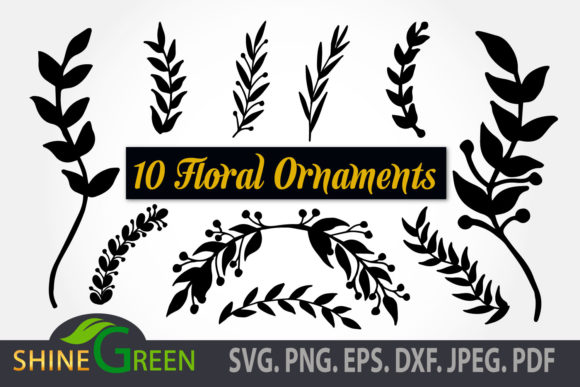
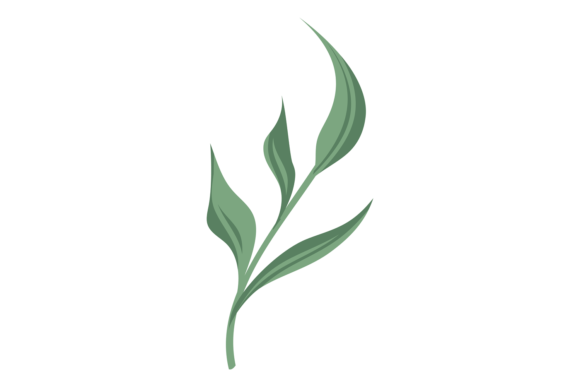
The defining trait of a Green Floral Element is its organic fluidity. Unlike geometric sans serif font shapes or rigid grid systems, these elements mimic the randomness of nature. You will often find them as isolated PNG files with transparent backgrounds or as scalable EPS vectors. The style personality is inherently romantic, timeless, and serene. They bridge the gap between modern typography and classic illustration.
Visually, these assets usually feature varying line weights. Some are intricate "hand-drawn" style sketches that pair beautifully with a script font or handwritten font. Others are solid, stylized shapes that complement a bold sans serif font. The color palette is rarely a flat green; it usually includes sage, emerald, olive, and forest tones to create depth. This versatility makes them a staple in packaging design and brand identity, where texture is just as important as text.
Strategic Applications for Designers and Entrepreneurs
Understanding where to deploy these assets is key to maximizing their value. For the graphic designer or small business owner, Green Floral Elements serve as the connective tissue in a visual identity.
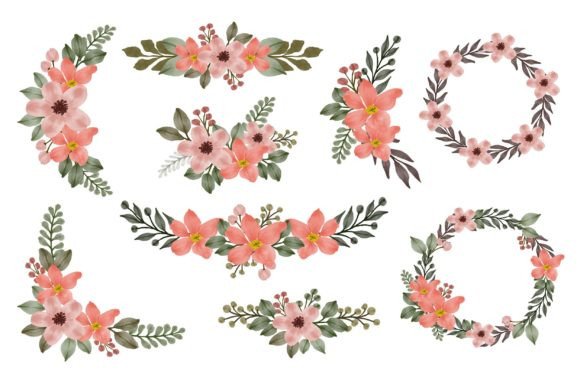
- Logo Design and Brand Identity: While a logo should often stand alone, many lifestyle brands use floral wreaths to frame their wordmark. A circular green element can house a serif font or script font to create a badge-style logo often seen in the beauty and wellness industries.
- Editorial and Web Design: In editorial design and web design, these elements are excellent for breaking up large blocks of text. They can act as corner decorations on a magazine spread or as subtle background textures on a landing page to soften the digital experience.
- Social Media Graphics: Content creators and marketers rely on these assets for Instagram stories and Pinterest pins. A simple green vine overlay can transform a plain text announcement into a cohesive piece of branded content.
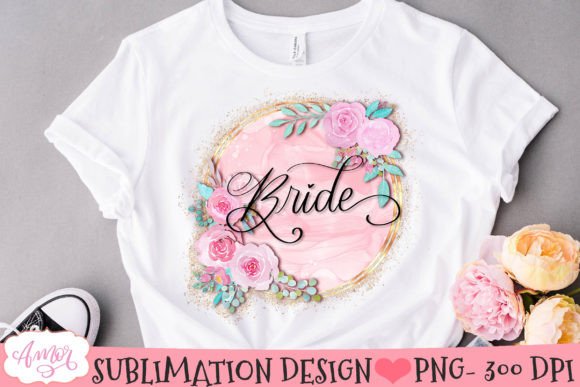
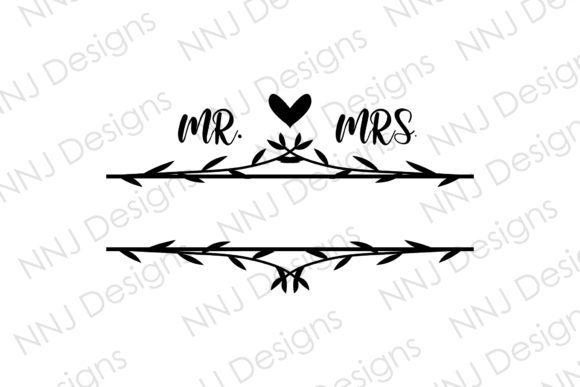
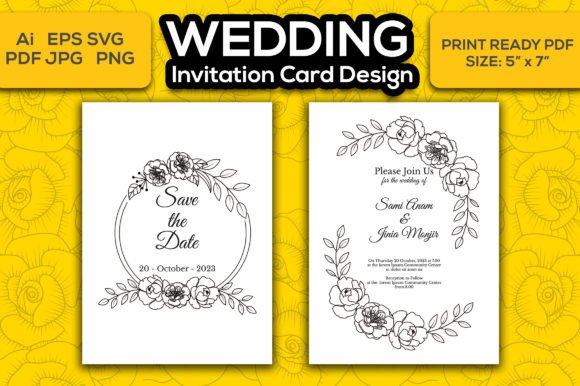
- Packaging and Stationery: This is the most literal application. For stationers and crafters, these vectors are essential for wedding invitations, place cards, and menu designs. In physical packaging design, they add a premium, artisanal feel to product labels.
Influence on Visual Hierarchy and Brand Perception
Incorporating a Green Floral Element does more than just "decorate" a canvas; it actively guides the viewer's eye and shapes how they perceive the brand. This is where design strategy comes into play.
First, consider visual hierarchy. A floral element placed near a headline draws attention to the text. If you are working with a premium font for a luxury brand, surrounding it with delicate foliage elevates the perceived value of the typography. It suggests that the brand cares about details and aesthetics, which translates to a perception of higher quality in the consumer's mind.
Second, there is the matter of emotional resonance. Green is psychologically associated with growth, harmony, and freshness. For a marketer or entrepreneur in the eco-friendly or wellness space, using these elements isn't just a stylistic choice—it's a strategic alignment of values. It creates an immediate, non-verbal connection with the audience that says, "We are natural and trustworthy."
Practical Guidance for Selection and Implementation
Choosing the right Green Floral Element requires the same scrutiny you would apply to selecting a typeface. You cannot simply pick the first vector you see. Here is a practical checklist for designers and publishers:
- Evaluate the Line Weight: If your primary brand font is a delicate, thin serif font, avoid using a heavy, thick botanical illustration. The visual weights will clash, making the design look muddy. Conversely, a bold display font requires a substantial floral element to maintain balance.
- Check for Scalability: Always look for vector formats (EPS or SVG). While JPGs are fine for quick social media graphics, they pixelate when scaled for print. If you are creating signage or large-scale packaging design, you need infinite scalability.
- Review Commercial Licensing: This is critical for entrepreneurs and business owners. "Free" assets often come with restrictions that prevent commercial use. Ensure you have the rights to use the element in products for sale, such as t-shirts, mugs, or client work.
- Test Font Pairings: Do not treat the illustration and the text as separate entities. Test them together early in the process. Does the curve of the vine clash with the italic slant of your script font? Does the leaf obscure a letterform? The goal is a symbiotic relationship, not a competition for attention.
Ultimately, Green Floral Element. Wedding Decoration is more than a search term; it is a fundamental building block of organic design. Whether you are a blogger beautifying a layout or a designer building a high-end brand identity, these botanical assets provide the texture, color, and emotion needed to connect with an audience on a human level. By treating them with the same professional rigor as your typography, you ensure your projects remain polished, cohesive, and visually compelling.